silvalab logo

Physical activity, exercise, and lifestyle factors in brain health across mid- and late-life.

Concordia University · Montréal, QC, Canada

research

The Silva Lab aims to advance understanding of how physical activity, exercise, and other lifestyle factors influence brain health in mid- and late-life. Our research focuses on the physiological mechanisms underlying neuroplastic and myelin adaptations, the contribution of cardiometabolic disease burden to neurodegeneration, and the development of novel biomarkers for early detection. The lab is especially interested in understanding how lifestyle factors influence neurodegeneration in individuals from underrepresented backgrounds, who face a greater cumulative burden of environmental stressors such as discrimination, socioeconomic inequality, and educational disparities, and who may consequently be at greater risk of dementia. Given that our understanding of neuroprotective factors like exercise in diverse cohorts remains remarkably limited, the Silva Lab is committed to addressing this gap as both a scientific priority and a matter of health equity.

Neuroprotection

Identifying factors associated with neurodegeneration and neuroprotection during the aging process, with a special focus on white matter health and myelin plasticity.

Data Modelling

Using novel data modelling techniques to identify high-risk individuals and inform the design of targeted interventions.

Clinical Trials

Design and implementation of randomized controlled trials and observational studies in underrepresented healthy and clinical populations.

team

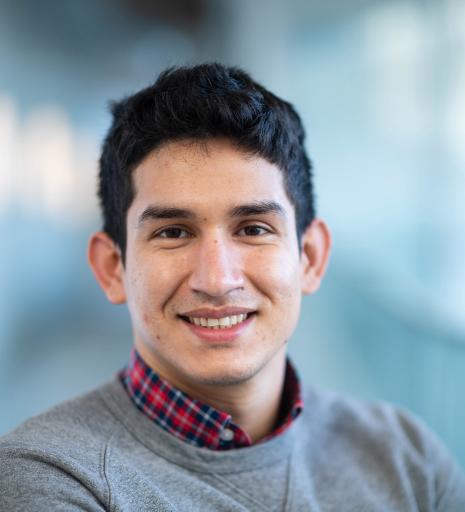
Dr. Silva Headshot

Dr. Nárlon C. Boa Sorte Silva

Principal Investigator · Canada Research Chair (Tier 2)

Department of Health, Kinesiology, and Applied Physiology

Concordia University

Our lab is led by Dr. Nárlon C. Boa Sorte Silva, Canada Research Chair (Tier 2) in Applied Physiology of Healthy and Active Aging. He is Assistant Professor in the Department of Health, Kinesiology, and Applied Physiology at Concordia University and is Emerging Researcher at the Centre de recherche de l'Institut universitaire de gériatrie de Montréal (CRIUGM). Dr. Silva completed postdoctoral training at the Djavad Mowafaghian Centre for Brain Health at the University of British Columbia, and earned his PhD in Kinesiology from Western University, where he conducted research at the Centre for Studies in Family Medicine. Originally from Brazil, he received his BSc in Physical Education from Nove de Julho University in São Paulo. Dr. Silva's work is driven by a passion for understanding factors that influence brain structure and function in the context of healthy and clinical aging. He has a strong commitment to inclusive and supportive teaching, student mentorship, and community engagement through public outreach and volunteer activities such as talks, webinars, and workshops. Outside academia, he enjoys spending time with his family and dogs, cooking Brazilian food, reading, and running.

trainees

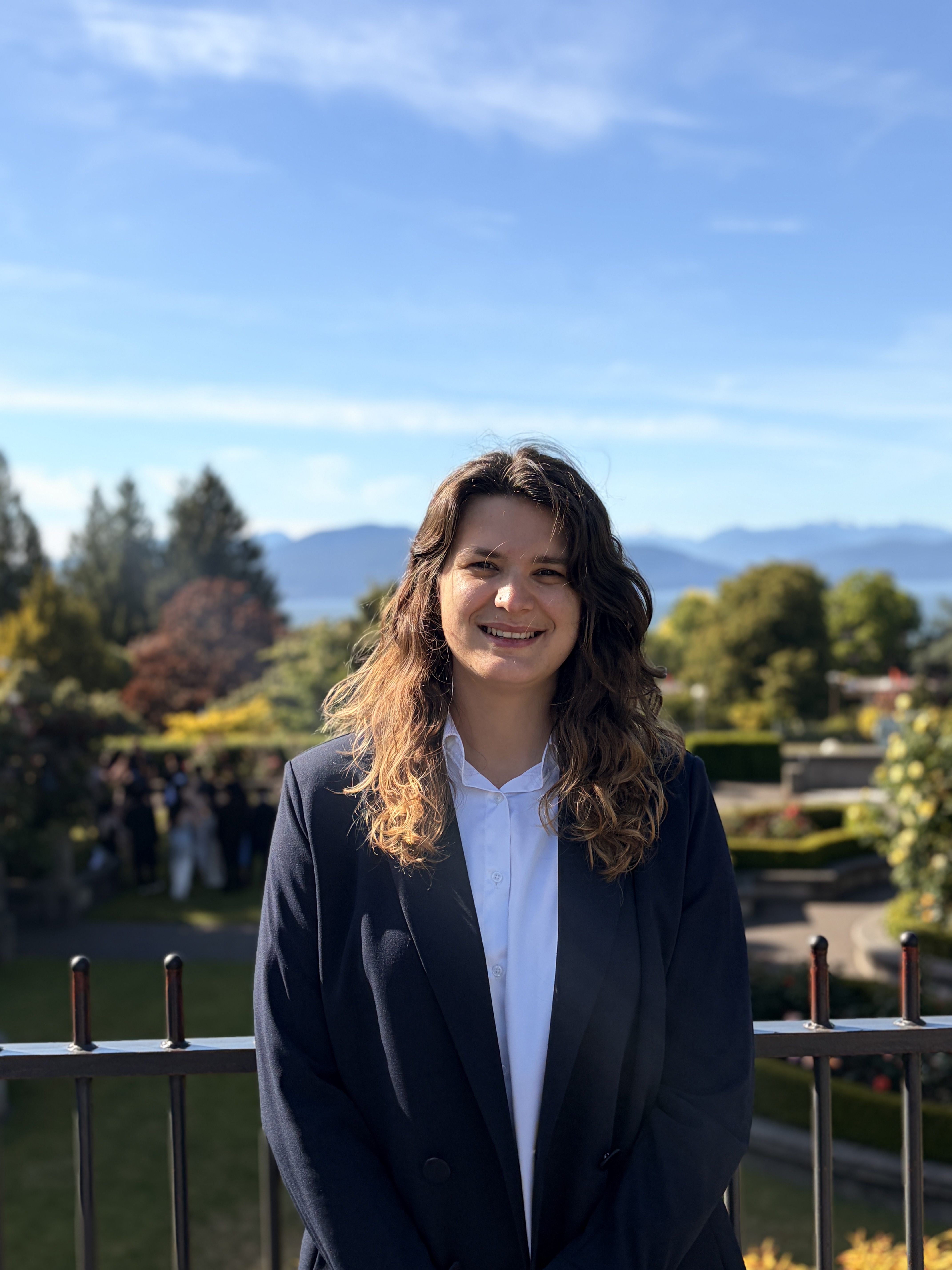
Maya Caon

Maya Caon

PhD Student, Fonds de recherche du Québec Doctoral Scholarship

Health and Exercise Science · Concordia University

Maya Caon is a PhD student in Health and Exercise Science at Concordia University under the supervision of Dr. Silva. Her research focuses on the relationships between physical activity, cardiometabolic health, and brain aging, with a particular interest in understanding how exercise can support cognitive health and reduce the risk of age-related neurodegenerative diseases, including Alzheimer's disease. She completed her BSc in Applied Sport and Exercise Science and MSc in Kinesiology and Human Performance at Barry University, where she competed as a collegiate soccer player while pursuing her academic and research training; her previous research experience spans exercise physiology, biomechanics, sport psychology, and human performance, and she has presented her work at national and international scientific conferences. Outside the lab, Maya enjoys traveling, staying active, cooking, and spending time with family and friends.
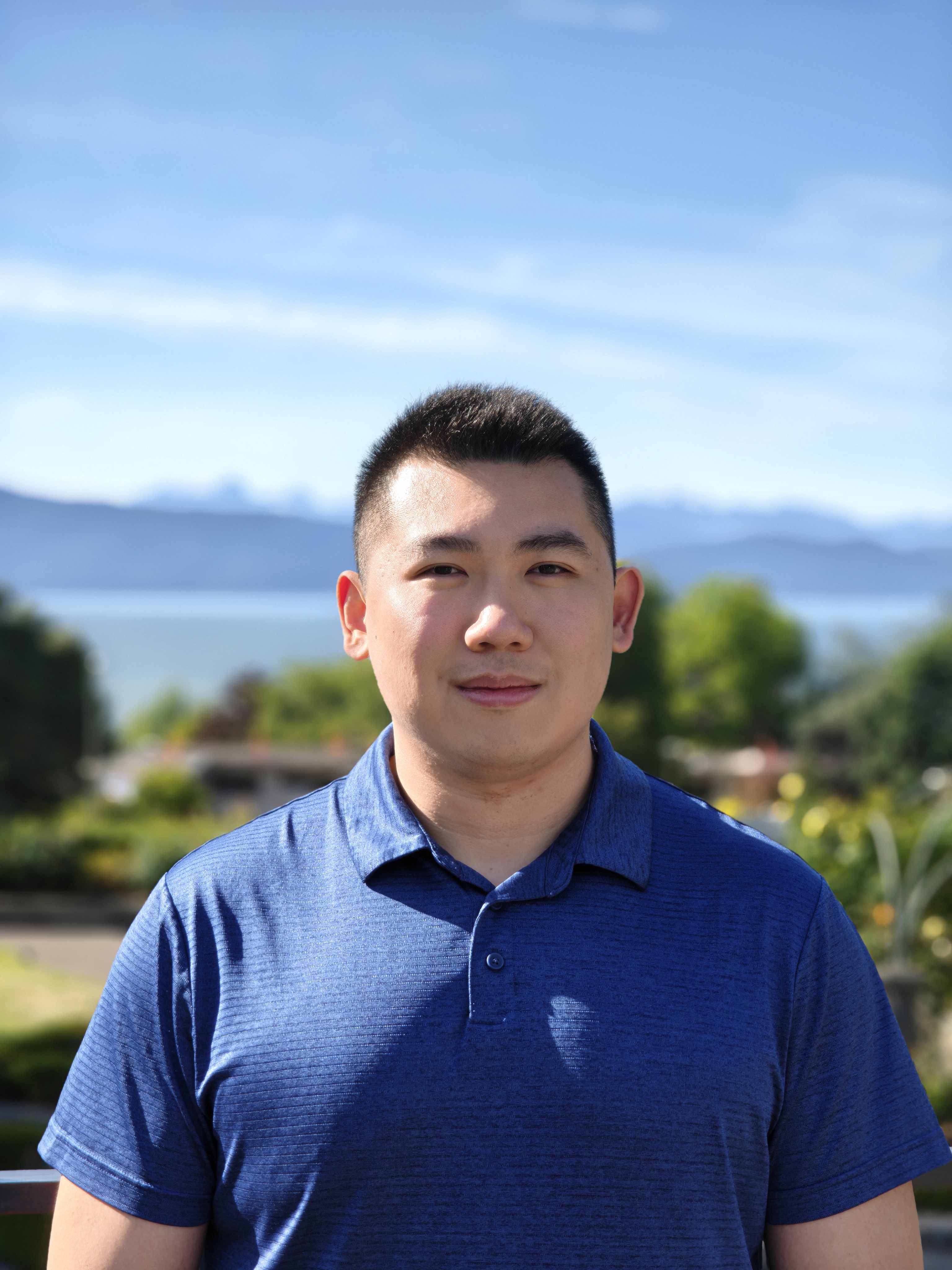
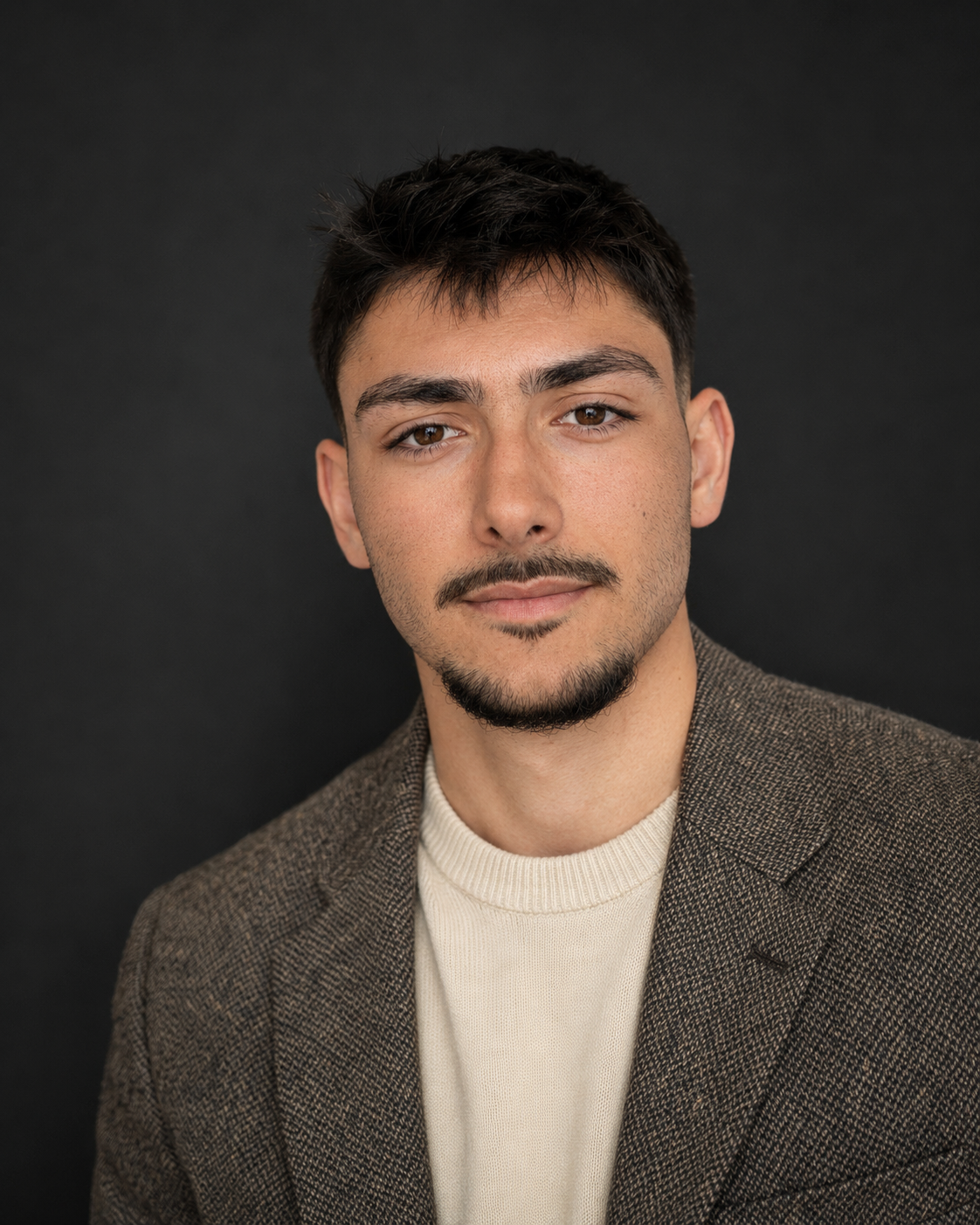
Ronny

Ronny

MSc Student, Concordia Merit Award

Health and Exercise Science · Concordia University

Ronny is an MSc student in the Health, Kinesiology and Applied Physiology program at Concordia University under the supervision of Dr. Silva. His research examines how lifestyle factors relate to early Alzheimer's disease-related neurodegeneration in older adults at familial risk, reflecting a long-standing interest in the intersection of physical activity, healthy aging, and brain health, and a passion for bridging brain health research and everyday lifestyle habits. Originally from Regina, Saskatchewan, he completed his undergraduate degree in Kinesiology and Clinical Exercise Physiology at Concordia and currently works as a practicing kinesiologist alongside his graduate studies. Outside the lab, Ronny enjoys lifting heavy weights in the gym, experimenting in the kitchen, and playing video games.

Ion Papanaga

Ion Papanaga

Honours Graduate

Athletic Therapy · Concordia University

Ion Papanaga is a recent graduate of the Athletic Therapy Honours program at Concordia University. His research focuses on the relationship between myelin integrity and physiological function in older adults with mild cognitive impairment and cerebral small vessel disease; under the supervision of Dr. Silva, his thesis examined whether myelin water fraction in superficial frontal and cingulate white matter regions was associated with Physiological Profile Assessment outcomes, a clinical measure related to fall risk and mobility. His broader interests include neurorehabilitation, aging, mobility, injury prevention, and the translation of research findings into clinical practice, and he has gained applied experience in sport and rehabilitation settings, including working with soccer athletes, youth development programs, and inclusive adapted sport environments. Ion aims to pursue graduate studies in rehabilitation sciences and continue contributing to evidence-based approaches that improve functional outcomes across clinical and athletic populations.

selected publications

Physical activity may protect myelin via modulation of high-density lipoprotein

Silva, N. C. B. S., et al.

Alzheimer's & Dementia (2025)

24-hour activity cycle behaviors and gray matter volume in mild cognitive impairment

Balbim, G. M., Silva, N. C. B. S., et al.

Alzheimer's & Dementia (2025)

Physical exercise, cognition, and brain health in aging

Silva, N. C. B. S., et al.

Trends in Neurosciences (2024)

Myelin and physical activity in older adults with cerebral small vessel disease and mild cognitive impairment

Silva, N. C. B. S., et al.

The Journals of Gerontology: Medical Sciences (2022)

Improved intraindividual variability in cognitive performance following cognitive and exercise training in older adults

Silva, N. C. B. S., et al.

Journal of the Intl. Neuropsychological Society (2023)

contact

Dr. Silva welcomes opportunities for collaboration in the areas of physical activity, exercise, lifestyle factors, aging, brain health, neurodegeneration, and mobility decline. Trainees interested in the Silva Lab's research program, including work on neuroplastic adaptations, cardiometabolic disease burden, and novel biomarkers for early detection of neurodegeneration, are encouraged to get in touch to discuss potential opportunities. Consistent with Dr. Silva's commitment to open science, equitable access to knowledge, and inclusive research, teaching, and mentorship, the lab strongly encourages individuals from diverse backgrounds to apply.

funding

Our work is made possible by the generous support of the following agencies and programs.

Canada Research Chairs Program

CRC Tier 2

Canadian Institutes of Health Research

CIHR

Brain Canada

Alzheimer's Association International Research Grant Program, USA

AA-IRGP

Michael Smith Health Research BC

MSHR BC

Canadians for Leading Edge Alzheimer Research

CLEAR

StrokeCog

open science & equity

The Silva Lab is committed to open science, equitable access to knowledge, and inclusive research, teaching, and mentorship environments free from discrimination. We are committed to supporting and empowering people from diverse backgrounds, recognizing diversity as essential to social justice. We also support the responsible and ethical use of AI to advance equity in research and teaching, and welcome collaborations in these areas.