silvalab logo

Physical activity, exercise, and lifestyle factors in brain health across mid- and late-life.

Concordia University · Montréal, QC, Canada

research

The Silva Lab aims to advance understanding of how physical activity, exercise, and other lifestyle factors influence brain health in mid- and late-life. Our research focuses on the physiological mechanisms underlying neuroplastic and myelin adaptations, the contribution of cardiometabolic disease burden to neurodegeneration, and the development of novel biomarkers for early detection.

The lab is especially interested in understanding how lifestyle factors influence neurodegeneration in individuals from underrepresented backgrounds, who face a greater cumulative burden of environmental stressors such as discrimination, socioeconomic inequality, and educational disparities, and who may consequently be at greater risk of dementia. Given that our understanding of neuroprotective factors like exercise in diverse cohorts remains remarkably limited, the Silva Lab is committed to addressing this gap as both a scientific priority and a matter of health equity.

Neuroprotection

Identifying factors associated with neurodegeneration and neuroprotection during the aging process, with a special focus on white matter health and myelin plasticity.

Data Modelling

Using novel data modelling techniques to identify high-risk individuals and inform the design of targeted interventions.

Clinical Trials

Design and implementation of randomized controlled trials and observational studies in underrepresented healthy and clinical populations.

team

trainees

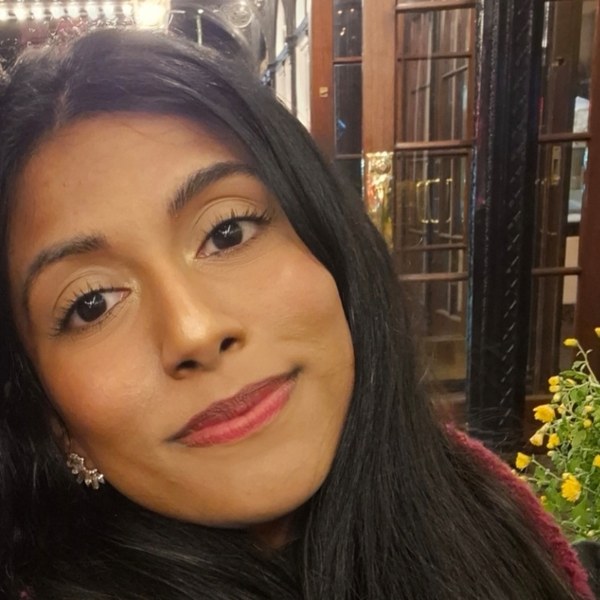
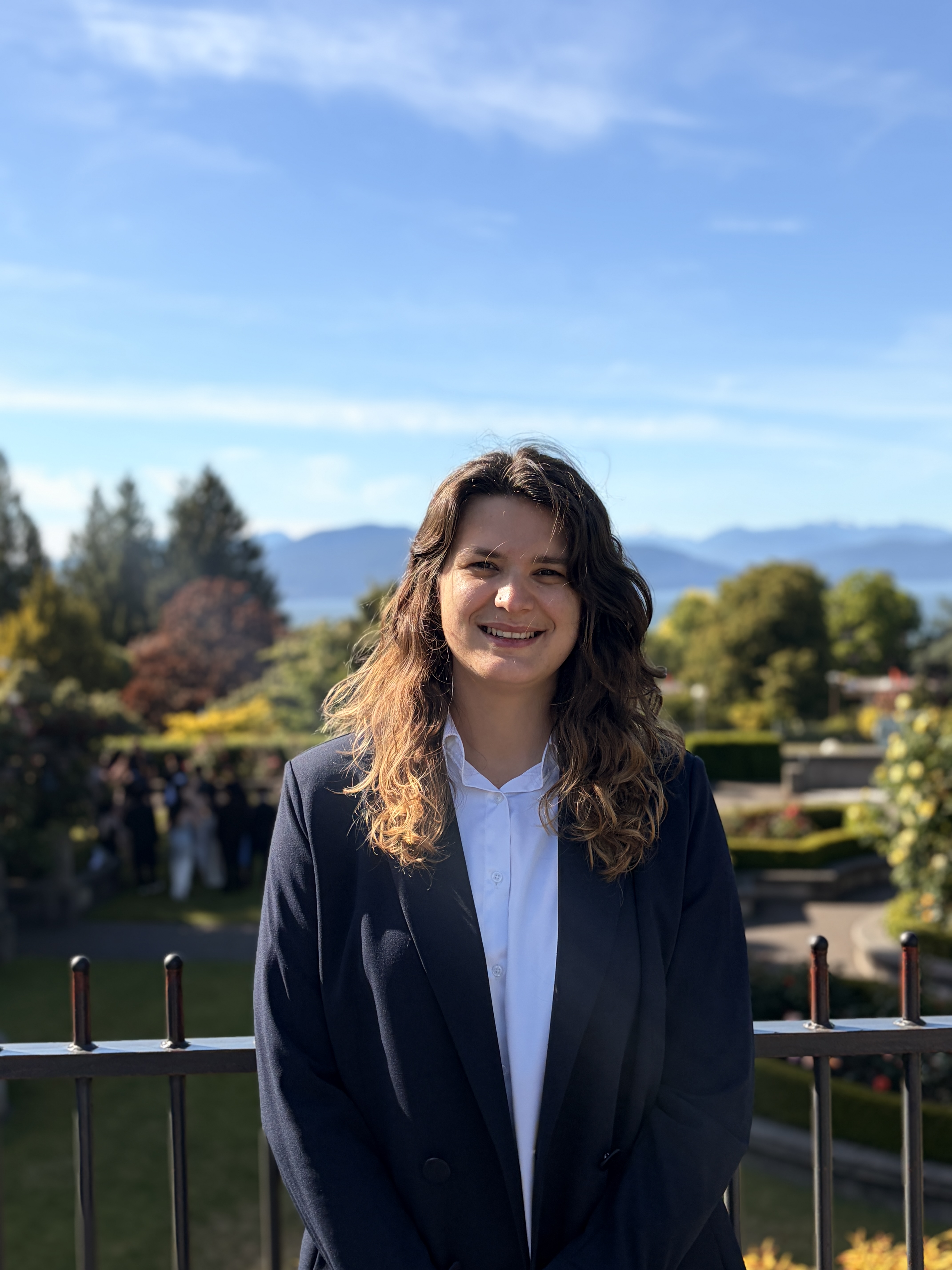
Maya Caon

Maya Caon

PhD Student, Fonds de recherche du Québec Doctoral Scholarship & Concordia University Graduate Fellowship Award

Health and Exercise Science · Concordia University

Maya Caon is a PhD student in Health and Exercise Science at Concordia University under the supervision of Dr. Silva. Her research focuses on the relationships between physical activity, cardiometabolic health, and brain aging, with a particular interest in understanding how exercise can support cognitive health and reduce the risk of age-related neurodegenerative diseases, including Alzheimer's disease. She completed her BSc in Applied Sport and Exercise Science and MSc in Kinesiology and Human Performance at Barry University, where she competed as a collegiate soccer player while pursuing her academic and research training; her previous research experience spans exercise physiology, biomechanics, sport psychology, and human performance, and she has presented her work at national and international scientific conferences. Outside the lab, Maya enjoys traveling, staying active, cooking, and spending time with family and friends.
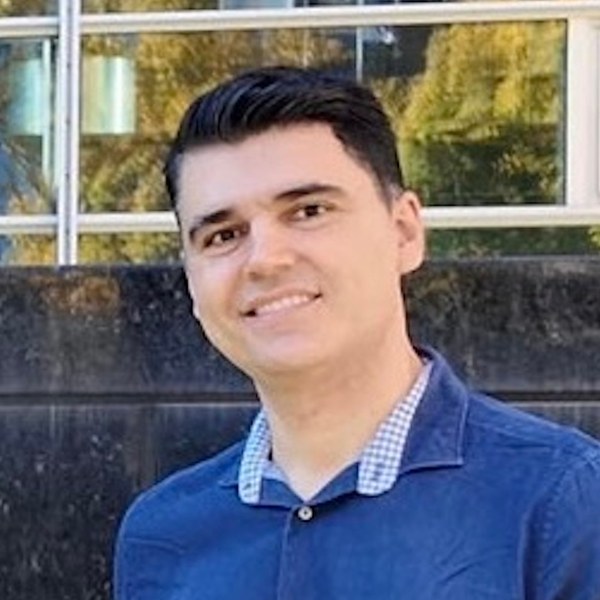
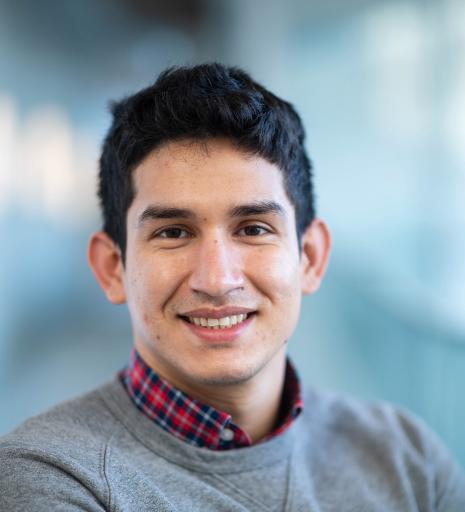
Bruno S. Homem de Faria

Bruno S. Homem de Faria

PhD Student, Concordia University Graduate Fellowship Award & Concordia International Tuition Award of Excellence

Health and Exercise Science · Concordia University

Bruno S. Homem de Faria is a PhD student in Health and Exercise Science at Concordia University, under the supervision of Dr. Silva. His research focuses on the relationships between physical activity, brain aging, and mobility, with a particular interest in understanding the possible association between cardiovascular autonomic control and genetics, and between physical activity and the risk of age-related neurodegenerative diseases, including Alzheimer's disease. Bruno worked as a university professor for 7 years in Brazil before coming to Concordia University. He completed his undergraduate degree in Physical Education (focus on Exercise Science) at Institute Methodist Granbery and his master's degree in Exercise and Sports at the Federal University of Juiz de Fora (Brazil). In addition, he holds two graduate specializations: one in Cardiac Rehabilitation and Exercise Physiology from the Medicine School of the University of São Paulo, and another in Sports Training Sciences from the Federal University of Juiz de Fora. His previous research experience encompasses exercise physiology (including animal protocols), cardiac rehabilitation, training load and human performance, and he has presented his work at national and international scientific conferences. Outside the lab, Bruno enjoys traveling, watching movies, reading, playing tennis, and especially learning about any random subject by talking with his wife, supervisor, friends, and family.

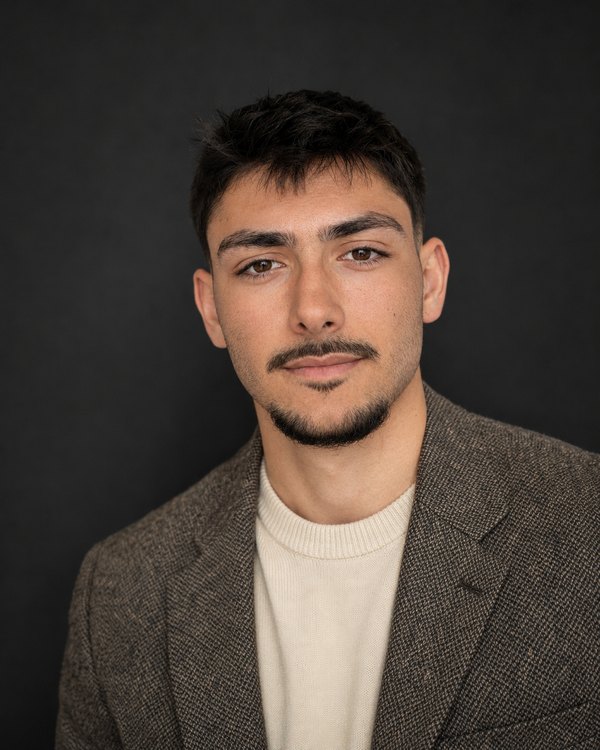
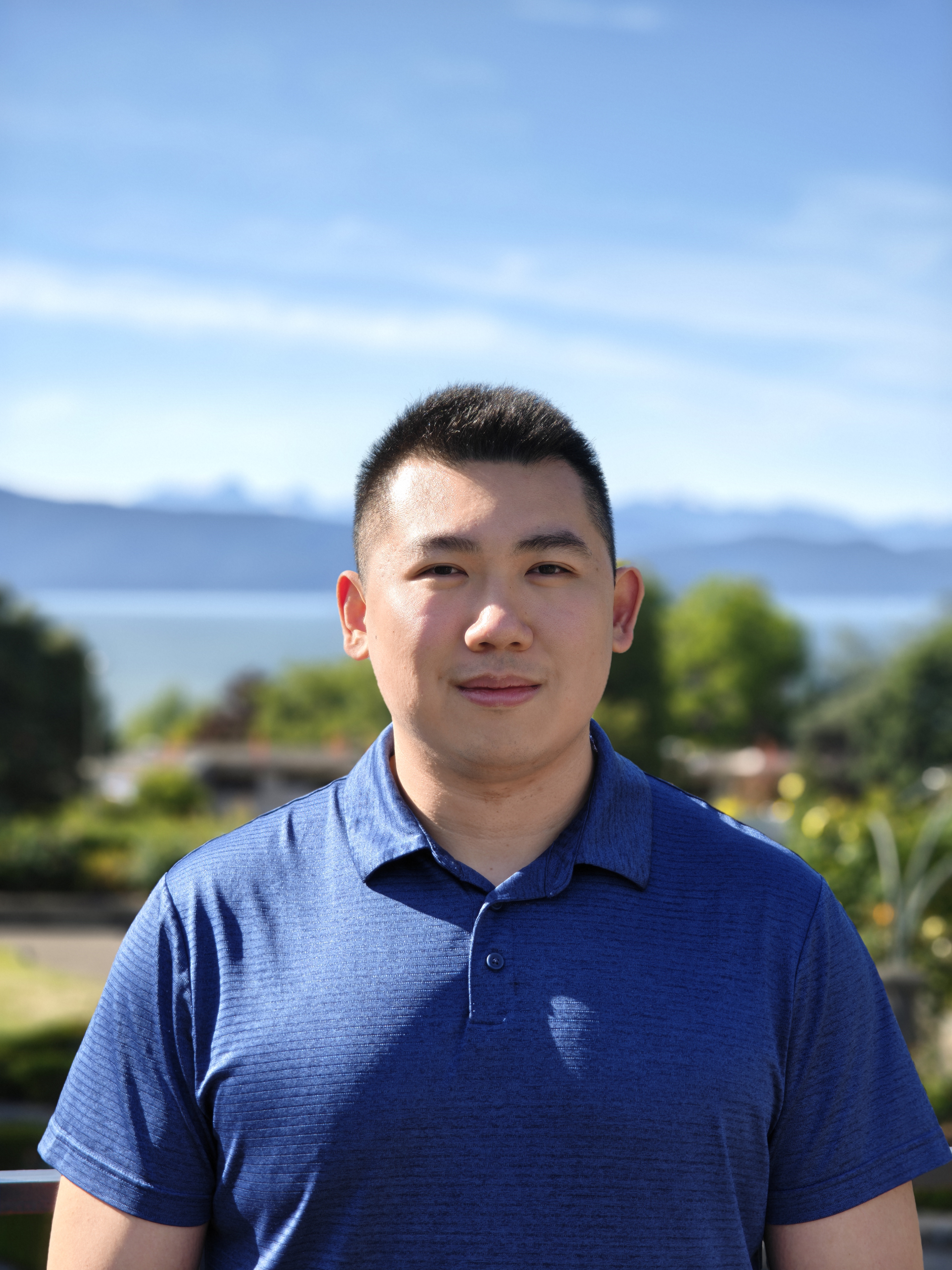
Ronny Chow

Ronny Chow

MSc Student, Concordia Merit Award

Health and Exercise Science · Concordia University

Ronny Chow is an MSc student in the Health, Kinesiology and Applied Physiology program at Concordia University under the supervision of Dr. Silva. His research examines how lifestyle factors relate to early Alzheimer's disease-related neurodegeneration in older adults at familial risk, reflecting a long-standing interest in the intersection of physical activity, healthy aging, and brain health, and a passion for bridging brain health research and everyday lifestyle habits. Originally from Regina, Saskatchewan, he completed his undergraduate degree in Kinesiology and Clinical Exercise Physiology at Concordia and currently works as a practicing kinesiologist alongside his graduate studies. Outside the lab, Ronny enjoys lifting heavy weights in the gym, experimenting in the kitchen, and playing video games.

research staff

Sneha Senthil

Sneha Senthil, PhD

Research Assistant · Long COVID Study

Health, Kinesiology, and Applied Physiology · Concordia University

Sneha Senthil is a research staff member in Dr. Silva's lab, where her work focuses on the Long COVID study. She completed her PhD in Neuroscience at McGill University in 2026, where her research investigated disease-related alterations in multiple sclerosis using multimodal neuroimaging approaches. Prior to this, she completed her MSc in Neuroscience at McGill University, where her research focused on developing and optimizing MRI pulse sequences for 3T and 7T scanners. Her research experience spans neuroimaging, MRI pulse sequence development, and the investigation of neurological disease. Outside of work, Sneha enjoys Pilates, cooking, and travelling.

principal investigator

Dr. Silva Headshot

Dr. Nárlon C. Boa Sorte Silva

Principal Investigator · Canada Research Chair (Tier 2)

Department of Health, Kinesiology, and Applied Physiology

Concordia University

Our lab is led by Dr. Nárlon C. Boa Sorte Silva, Canada Research Chair (Tier 2) in Applied Physiology of Healthy and Active Aging. He is Assistant Professor in the Department of Health, Kinesiology, and Applied Physiology at Concordia University and is Emerging Researcher at the Centre de recherche de l'Institut universitaire de gériatrie de Montréal (CRIUGM). Dr. Silva completed postdoctoral training at the Djavad Mowafaghian Centre for Brain Health at the University of British Columbia, and earned his PhD in Kinesiology from Western University, where he conducted research at the Centre for Studies in Family Medicine. Originally from Brazil, he received his BSc in Physical Education from Nove de Julho University in São Paulo. Dr. Silva's work is driven by a passion for understanding factors that influence brain structure and function in the context of healthy and clinical aging. He has a strong commitment to inclusive and supportive teaching, student mentorship, and community engagement through public outreach and volunteer activities such as talks, webinars, and workshops. Outside academia, he enjoys spending time with his family and dogs, cooking Brazilian food, reading, and running.

alumni

Ion Papanaga

Ion Papanaga

Honours Graduate

Athletic Therapy · Concordia University

Ion Papanaga is a recent graduate of the Athletic Therapy Honours program at Concordia University. His research focuses on the relationship between myelin integrity and physiological function in older adults with mild cognitive impairment and cerebral small vessel disease; under the supervision of Dr. Silva, his thesis examined whether myelin water fraction in superficial frontal and cingulate white matter regions was associated with Physiological Profile Assessment outcomes, a clinical measure related to fall risk and mobility. His broader interests include neurorehabilitation, aging, mobility, injury prevention, and the translation of research findings into clinical practice, and he has gained applied experience in sport and rehabilitation settings, including working with soccer athletes, youth development programs, and inclusive adapted sport environments. Ion aims to pursue graduate studies in rehabilitation sciences and continue contributing to evidence-based approaches that improve functional outcomes across clinical and athletic populations.

selected publications

Exercise and white matter hyperintensities: A randomized clinical trial

Silva, N. C. B. S., et al.

Brain Communications (2026)

Physical activity may protect myelin via modulation of high-density lipoprotein

Silva, N. C. B. S., et al.

Alzheimer's & Dementia (2025)

24-hour activity cycle behaviors and gray matter volume in mild cognitive impairment

Balbim, G. M., Silva, N. C. B. S., et al.

Alzheimer's & Dementia (2025)

Physical exercise, cognition, and brain health in aging

Silva, N. C. B. S., et al.

Trends in Neurosciences (2024)

Improved intraindividual variability in cognitive performance following cognitive and exercise training in older adults

Silva, N. C. B. S., et al.

Journal of the International Neuropsychological Society (2023)

Myelin and physical activity in older adults with cerebral small vessel disease and mild cognitive impairment

Silva, N. C. B. S., et al.

The Journals of Gerontology: Medical Sciences (2022)

community partners

The Silva Lab is open to working with community partners and welcomes input into research that is relevant to the community. We also welcome invitations for seminars, lectures, and presentations in the community, at no cost. If you are interested in partnering with us or would like to invite a lab member to speak, please reach out by email.

open science & equity

The Silva Lab is committed to open science, equitable access to knowledge, and inclusive research, teaching, and mentorship environments free from discrimination. We are committed to supporting and empowering people from diverse backgrounds, recognizing diversity as essential to social justice. We also support the responsible and ethical use of AI to advance equity in research and teaching, and welcome collaborations in these areas.

contact

Dr. Silva welcomes opportunities for collaboration in the areas of physical activity, exercise, lifestyle factors, aging, brain health, neurodegeneration, and mobility decline. Trainees interested in the Silva Lab's research program, including work on neuroplastic adaptations, cardiometabolic disease burden, and novel biomarkers for early detection of neurodegeneration, are encouraged to get in touch to discuss potential opportunities. Consistent with Dr. Silva's commitment to open science, equitable access to knowledge, and inclusive research, teaching, and mentorship, the lab strongly encourages individuals from diverse backgrounds to apply.

funding

Our work is made possible by the generous support of the following agencies and programs.

Canada Research Chairs Program

CRC Tier 2

Canadian Institutes of Health Research

CIHR

Natural Sciences and Engineering Research Council Discovery Grant – Early Career Investigator

NSERC

John R. Evans Leaders Fund – Canada Foundation for Innovation

CFI JELF

Alzheimer's Association International Research Grant Program, USA

AA-IRGP

Concordia University – Faculty of Arts and Science

Brain Canada

Michael Smith Health Research BC

MSHR BC

Canadians for Leading Edge Alzheimer Research

CLEAR

StrokeCog